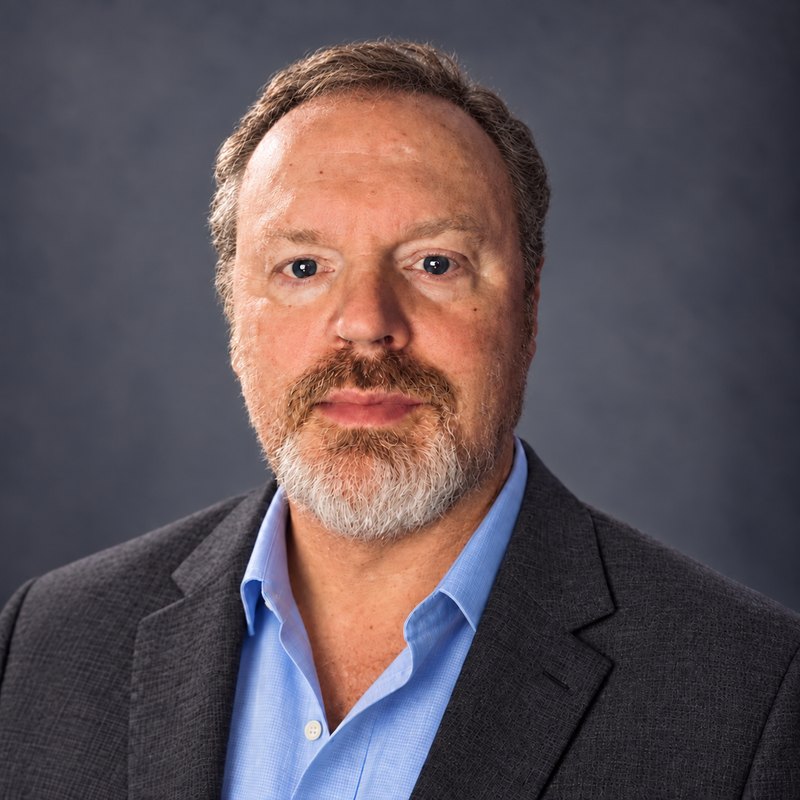
About Brian J. Curry
Data Science & AI Leader · Kansas City
Brian Curry builds and leads data science, machine learning and AI practices that change how companies make decisions. He combines executive-level strategy with the technical depth to set architecture, judge methods and step in hands-on when it matters. That combination lets him turn analytics from a reporting function into a source of measurable business value.
Leadership Across Industries
He has led data science, AI and research initiatives across energy and agriculture, retail, hospitality, telecommunications and media, at organizations including Koch Ag & Energy Solutions, Tractor Supply Company, T-Mobile, Hallmark and Garmin. His work has spanned the full scope of a modern practice: setting strategy and future-state architecture, standing up teams and operating models, establishing model governance and MLOps standards, and delivering causal measurement, marketing mix modeling, experimentation and forecasting that leadership relies on for budget and investment decisions. He has served on architecture review boards, managed onshore and offshore teams, and mentored data scientists.
A Commercial Foundation
His leadership foundation comes from nearly a decade in business roles at McClatchy, AT&T/YP and Garmin, including running a 40-person department responsible for budgets, pricing and revenue. He brings that commercial view to every engagement. He founded KC AI Lab, growing it into a Kansas City community of more than 1,500 practitioners, and later founded Vector 1, an applied research and advisory practice.
Work With Vector 1
Through Vector 1, he helps organizations build or strengthen their capabilities in causal inference, marketing measurement, forecasting and AI strategy, from assessing where analytics can create value to designing the methods, platforms and teams to deliver it. The practice is backed by published research and open-source tools, including Papilon, a Bayesian marketing mix modeling library; PyCausalSim, a framework for causal discovery and simulation; and Meaning-Flow, for semantic content modeling, among more than 90 repositories. He holds a B.S. in Economics from Kansas State University.